
8 Red Flags to Watch for in Commercial Roof Coating Proposals
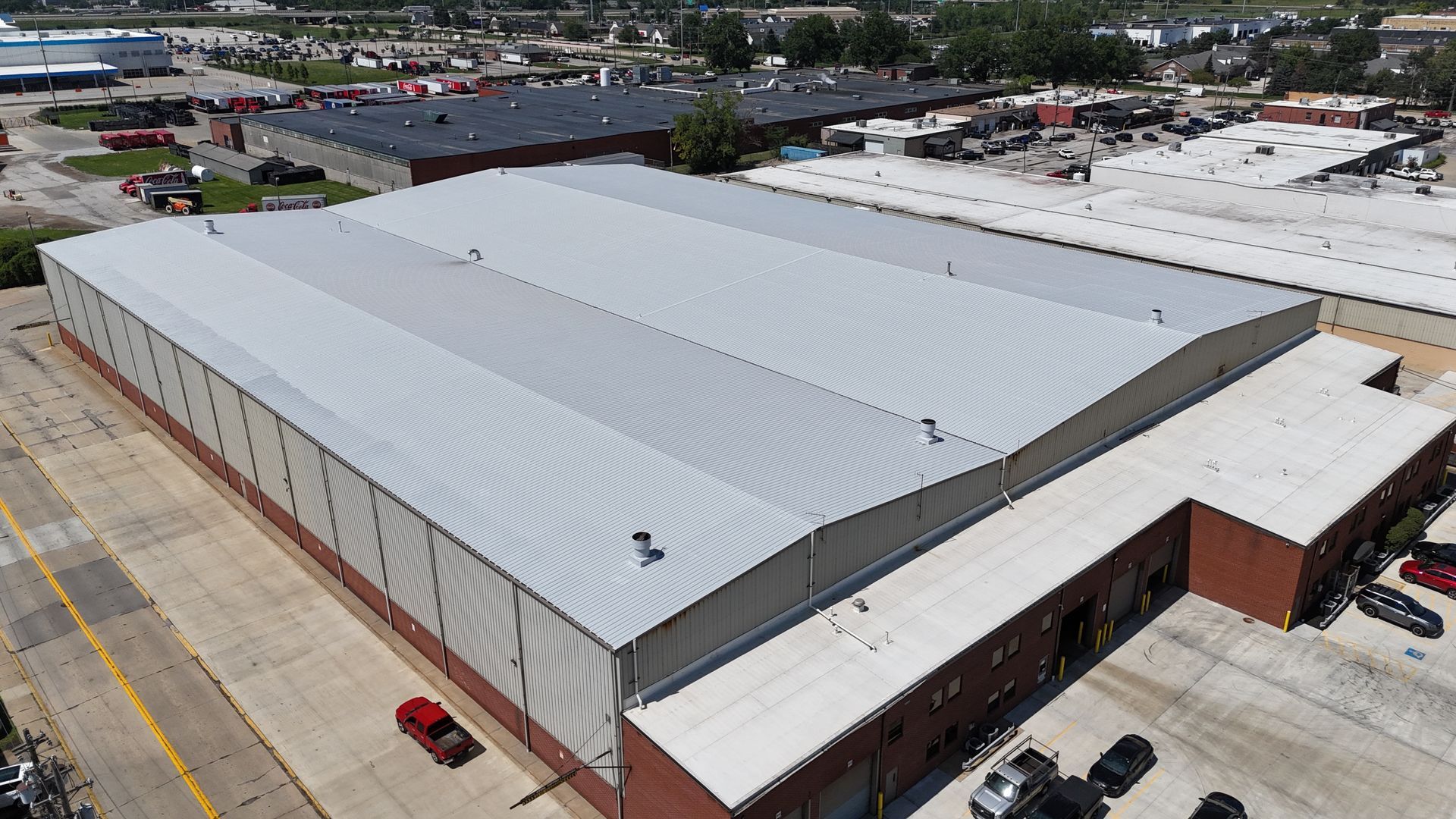
Choosing the right commercial roofing contractor involves much more than comparing price alone.
A lower proposal may seem attractive upfront, but details hidden in the scope of work can lead to premature roof failure, warranty issues, safety concerns, and unexpected costs later.
It’s not always a bad contractor trying to cheat; it may be a good contractor without the knowledge to do it right.
Over the years, we’ve noticed several recurring red flags building owners should watch for before signing a contract.
The 8 red flags are:
- Roof Measurements That Seem Too Low
- Extremely Low Pricing
- Generic or Copy/Paste Scope of Work
- Lack of Safety Procedures
- Proposal Photos Don't Match
- Large Upfront Payments
- Few Completed Projects
- Missing Details on Warranties
1. Roof Measurements That Seem Too Low
Accurate roof measurements are critical for any coating project.
On metal roofs especially, measurements are more complex than simply tracing the roof on aerial imagery. Roof panel ribs, seams, and slope all increase the actual surface area requiring coating.
If measurements are underestimated:
• Material quantities may be too low
• Coating thickness may not meet manufacturer specifications
• Additional change orders may appear later
• Long-term roof performance can suffer
Always ask contractors how they measured the roof and whether slope and metal panel profile were included.
2. Extremely Low Pricing Compared to Other Bids
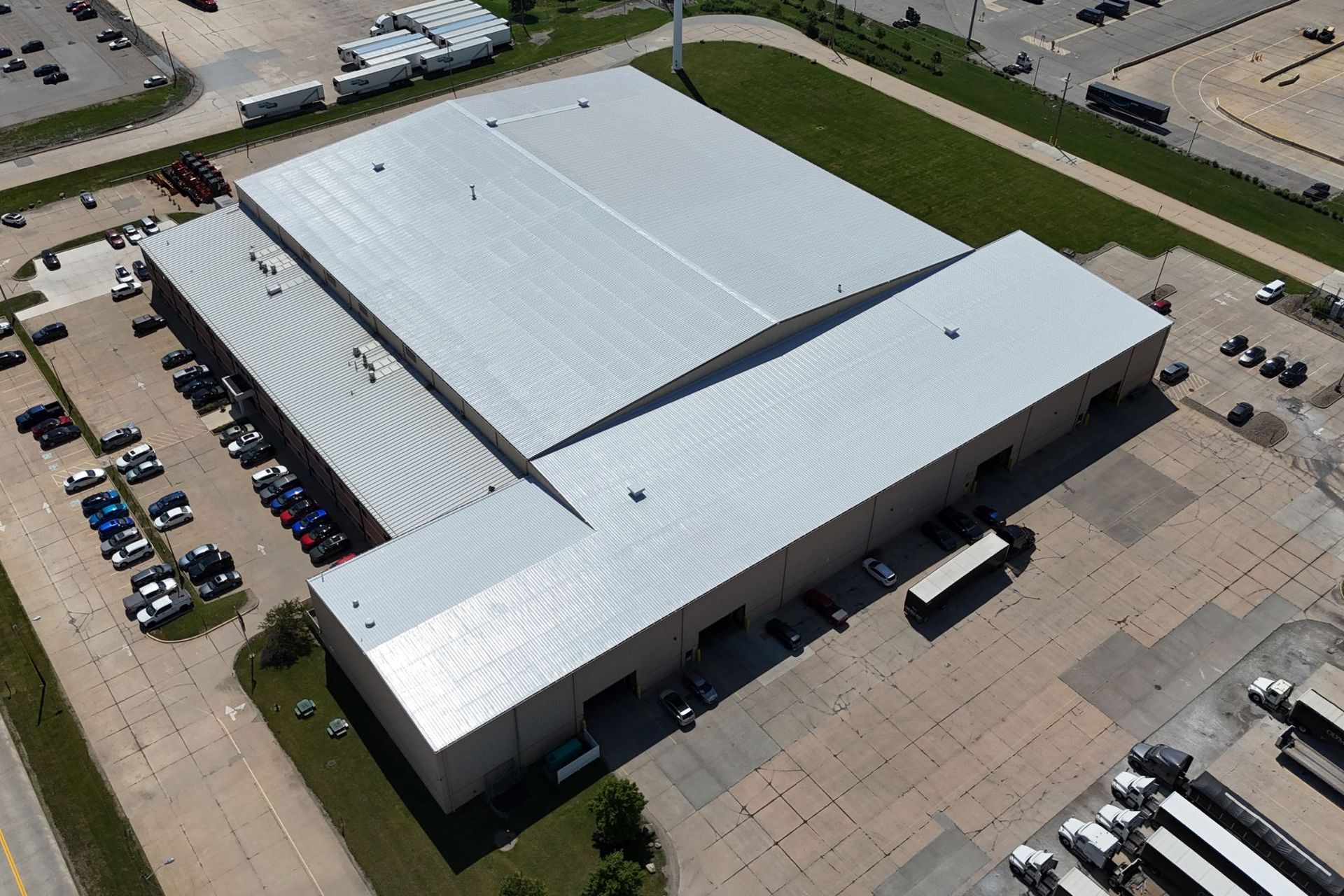
While competitive pricing is important, dramatically lower bids should raise questions.
In many cases, unusually low pricing can indicate:
• Reduced coating thickness
• Lower material quantities
• Incomplete scope items
• Inexperienced labor
• Missing details or prep work
• Questionable application techniques or plans
Commercial roofing systems depend heavily on proper installation and the specified dry film thickness.
A cheaper system that fails early often becomes far more expensive long-term.
3. Generic or Copy-and-Paste Scopes of Work
Every roof has unique conditions.
If a proposal appears generic or simply repeats the same scope for multiple roofs without addressing differences in drains, penetrations, flashing conditions, or rooftop equipment, that can be a warning sign.
Detailed scopes typically indicate the contractor thoroughly evaluated the building before bidding.
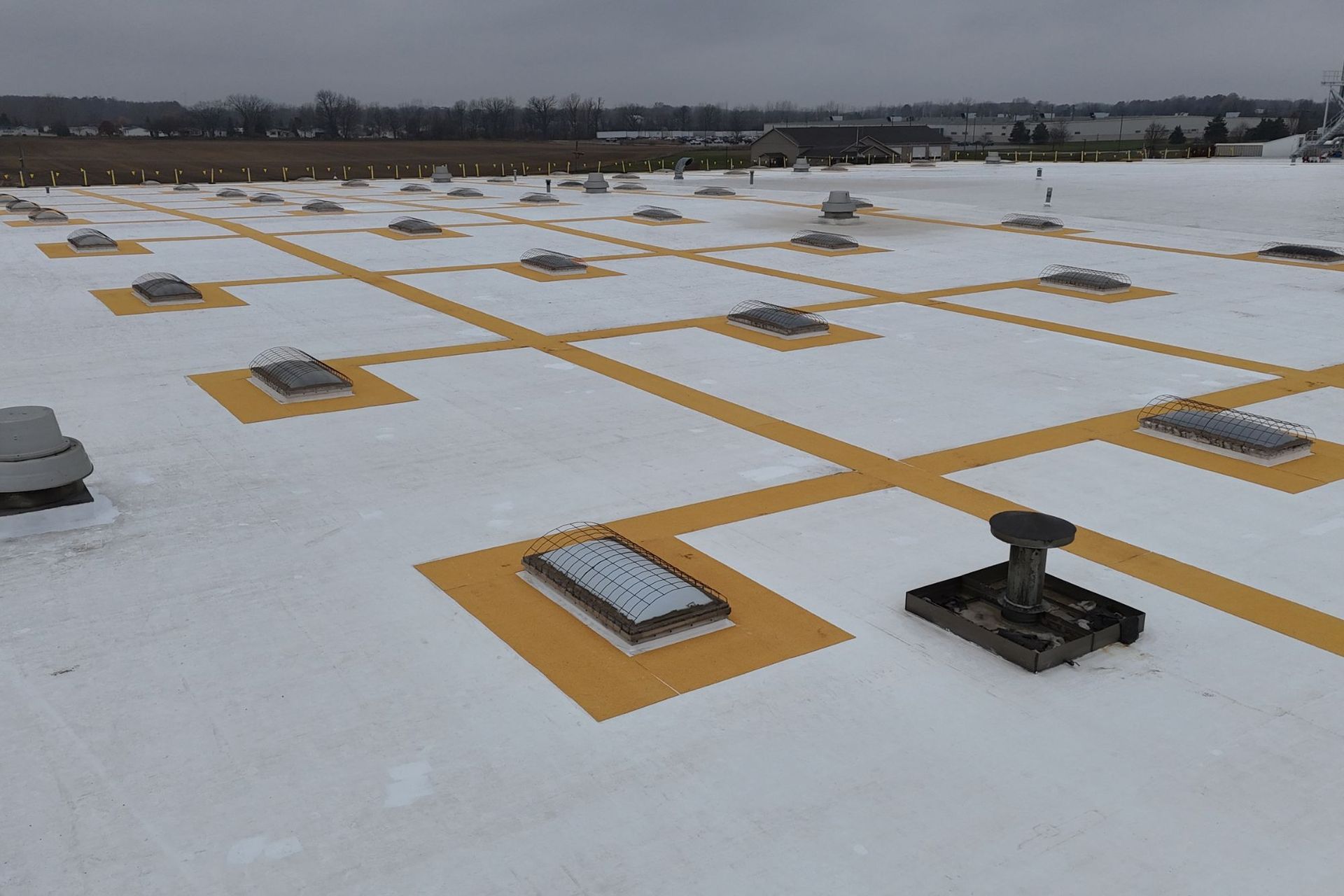
4. Lack of Safety Measures in Proposal Photos
Proposal photos can reveal a lot about a contractor’s field practices.
When reviewing photos, look for:
• Fall protection
• Skylight protection
• Warning lines
• Proper PPE
• Organized job sites
Unsafe roofing practices can lead to injuries, OSHA violations, property damage, and major business disruptions.
5. Proposal Photos That Don’t Match the Description
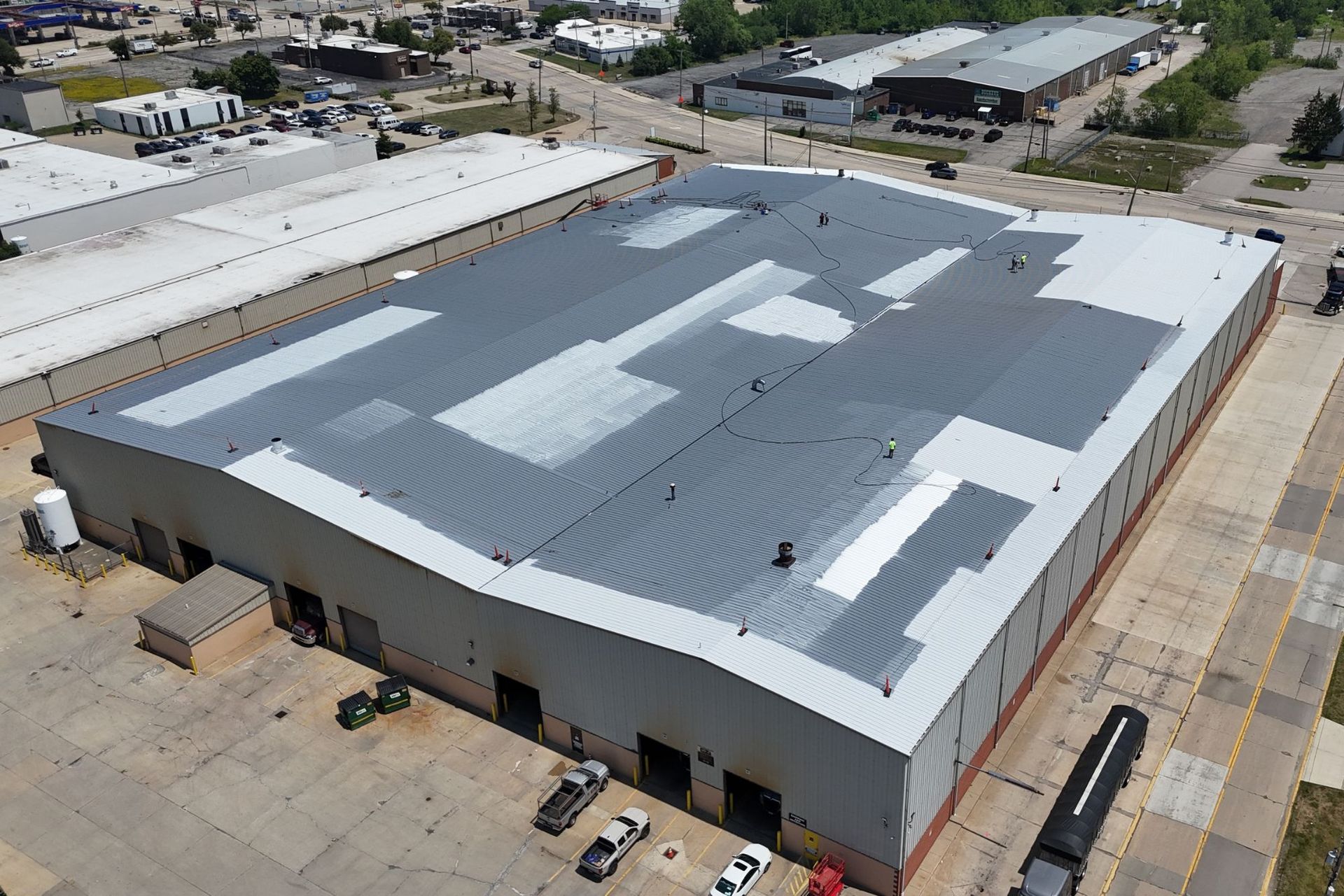
Proposal documentation should clearly and accurately represent the work being discussed.
If photos appear mislabeled or unrelated to the actual process being described, it may indicate:
• Lack of attention to detail
• Generic marketing material
• Inexperience with the specified system
6. Large Upfront Payment Requests
While deposits are common in some construction trades, large upfront payment requirements can sometimes indicate financial instability or cash flow concerns.
Established contractors often have the financial resources to mobilize projects without requiring substantial upfront funding.
7. Limited Track Record or Few Verifiable References
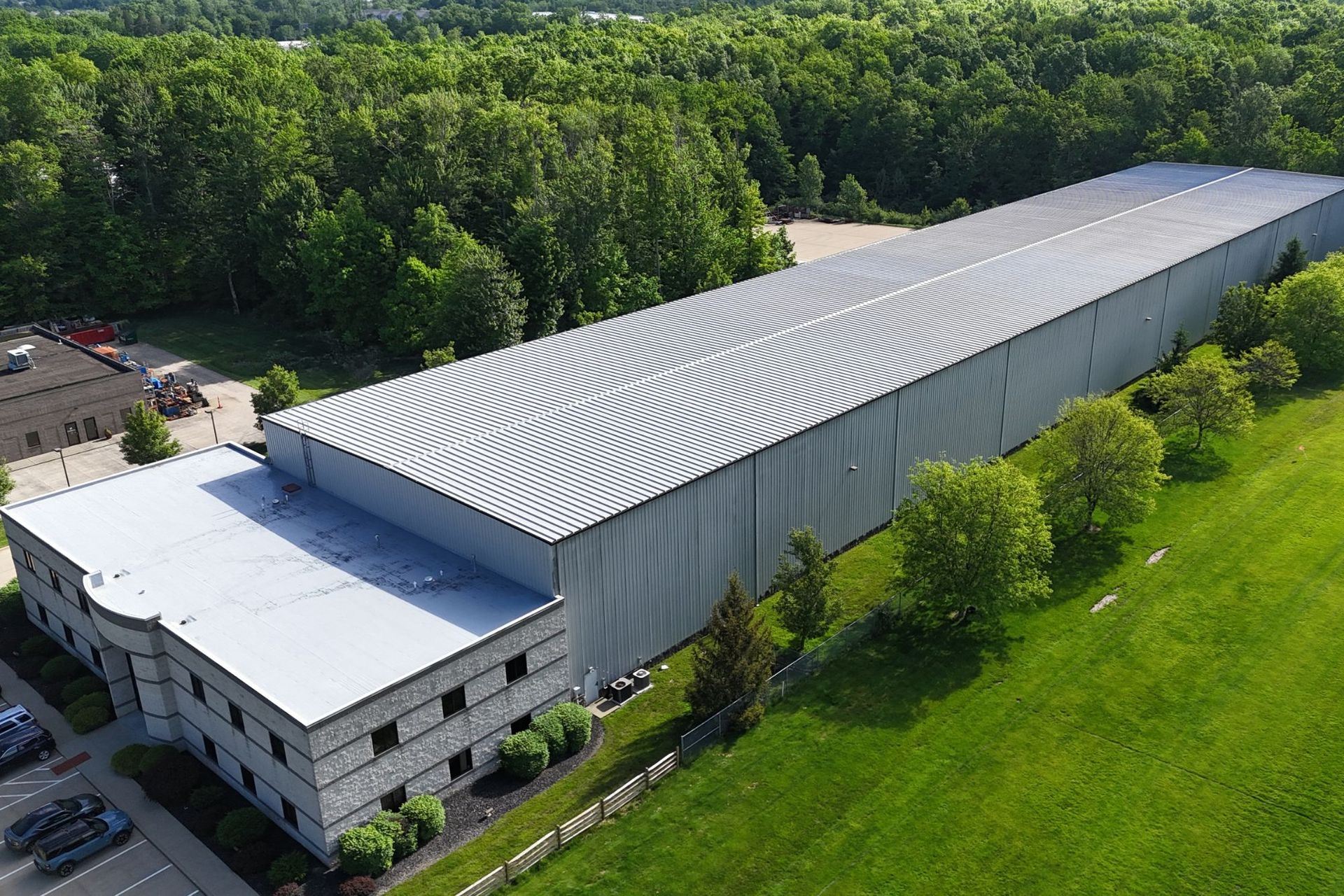
Commercial roofing is a specialized industry where experience matters.
Before selecting a contractor:
• Ask for references on similar projects
• Verify completed installations
• Review online reputation
• Confirm manufacturer certifications
A strong track record gives the building owner or supervisor confidence that the job will get done right.
8. Missing Details About Warranty Requirements
Manufacturer warranties are only valid when installation requirements are met.
That includes:
• Proper surface preparation
• Correct coating thickness
• Approved materials
• Certified installers
Always ask how the contractor plans to verify final coating thickness and ensure warranty compliance.
Final Thoughts
A roof coating system can be an excellent solution for extending the life of a commercial roof — but only when the system is properly measured, specified, and installed.
When comparing proposals, building owners should look beyond price and carefully evaluate:
• Scope completeness
• Material quantities
• Safety practices
• Contractor experience, background, reviews, testimonials, etc.
• Warranty compliance
• Attention to detail
The lowest bid is not always the lowest long-term cost.