
Silicone Wall Restoration
A protective coating system that waterproofs, restores, and protects better than traditional paint
Commercial Property Spray-On Wall Restoration
Silicone Wall Restoration is a protective coating system that waterproofs, restores and protects the exterior walls of commercial, municipal, and industrial buildings.
The benefits of silicone typically used on roofs for vertical wall restorations, delivering superior weather protection and durability.
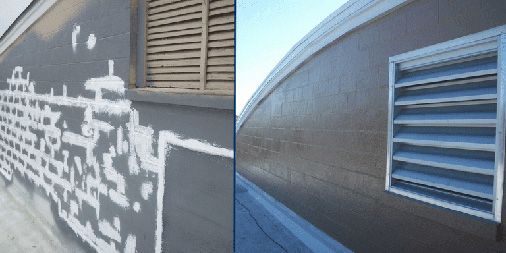
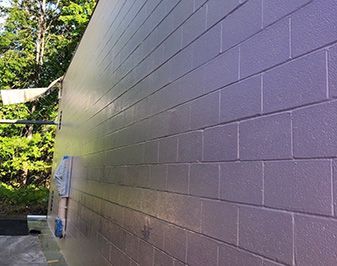
The Differences Between Painting and High-Solids Silicone Coating?
- Installing traditional paint would be around 20% cheaper.
- A high-solids silicone coating (95% solids) vs. a high-quality paint (50% Solids) offers a thicker layer of the finished product, allowing more complete coverage.
- Painting would offer a 1-year warranty; silicone coating offers a 10-year warranty.
- The warranty for silicones is renewable. For a 10-year warranty, 20 mils of product will be installed. In year 10, perhaps 3-4 mils are left. The walls are power washed, and a new 20-mil thickness of coating is installed. A new 10-year warranty is granted.
- The durability of coating is much greater than paint. Mid-west weather conditions are unpredictable, and the strength and durability of silicone coatings give the best protection.
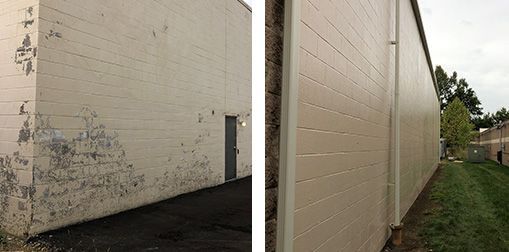
Case Study: Paisley Farms
Paisley Farms is a three-building, high-quality vegetable processing company in Willoughby, Ohio, since 1945.
During an inspection of the current spray polyurethane foam roof system on each building, a major concern was found: deep degradation, wall cracking, and scaling paint on the concrete block walls.
The owner, originally thinking paint would fix the issues, was presented with a solution to install a silicone wall coating system.
Utilizing fibered sealants and high-solids silicone coating, the system would eliminate any further deterioration and seal the walls entirely.
Though a more expensive route, the long-standing facility would be restored with the strength to continue for years to come.
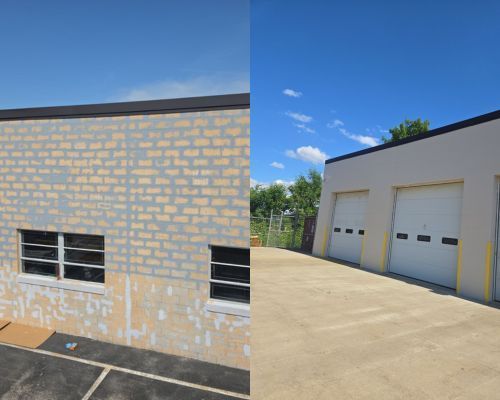
Case Study: Buckeye Bus Garage
The exterior wall surfaces at Buckeye Bus Garage were prepared by removing loose and scaling paint, followed by air blasting and pressure washing at a minimum of 2,500 PSI.
Areas of masonry degradation were repaired, while wall penetrations, cracks, joints, control joints, and other surface deviations were sealed with silicone materials.
An average 20-mil silicone coating was then applied across the wall surfaces, with clean detailing around doorways and termination points.
The completed system is backed by a 10-year full-system, NPR, NDL, renewable warranty.
Building Exteriors Protected From Weather and Deterioration
Silicone Wall Coatings in LaGrange for preventing moisture intrusion and extending facade lifespan
Cracking stucco, moisture-damaged masonry, and weathered metal panels compromise building envelope integrity, allowing water infiltration that damages insulation and interior finishes. Silicone wall coatings provide seamless waterproofing across exterior surfaces, bonding to concrete, masonry, stucco, and metal panels to block moisture penetration while reflecting UV exposure that causes fading and material breakdown. West Roofing Systems applies these coatings as part of building envelope protection strategies that integrate with roofing and waterproofing systems, creating continuous barriers against weather-related deterioration across vertical and horizontal surfaces.
The coating process addresses surface preparation requirements specific to each substrate type, removing failing paint or previous coatings, repairing cracks, and ensuring proper adhesion before application. Silicone formulations remain flexible through temperature changes, preventing the cracking that occurs with rigid coatings when substrates expand and contract seasonally. This flexibility maintains waterproof integrity across joints, control cuts, and transitions between dissimilar materials.
Schedule an exterior wall evaluation to determine coating compatibility and surface preparation requirements.
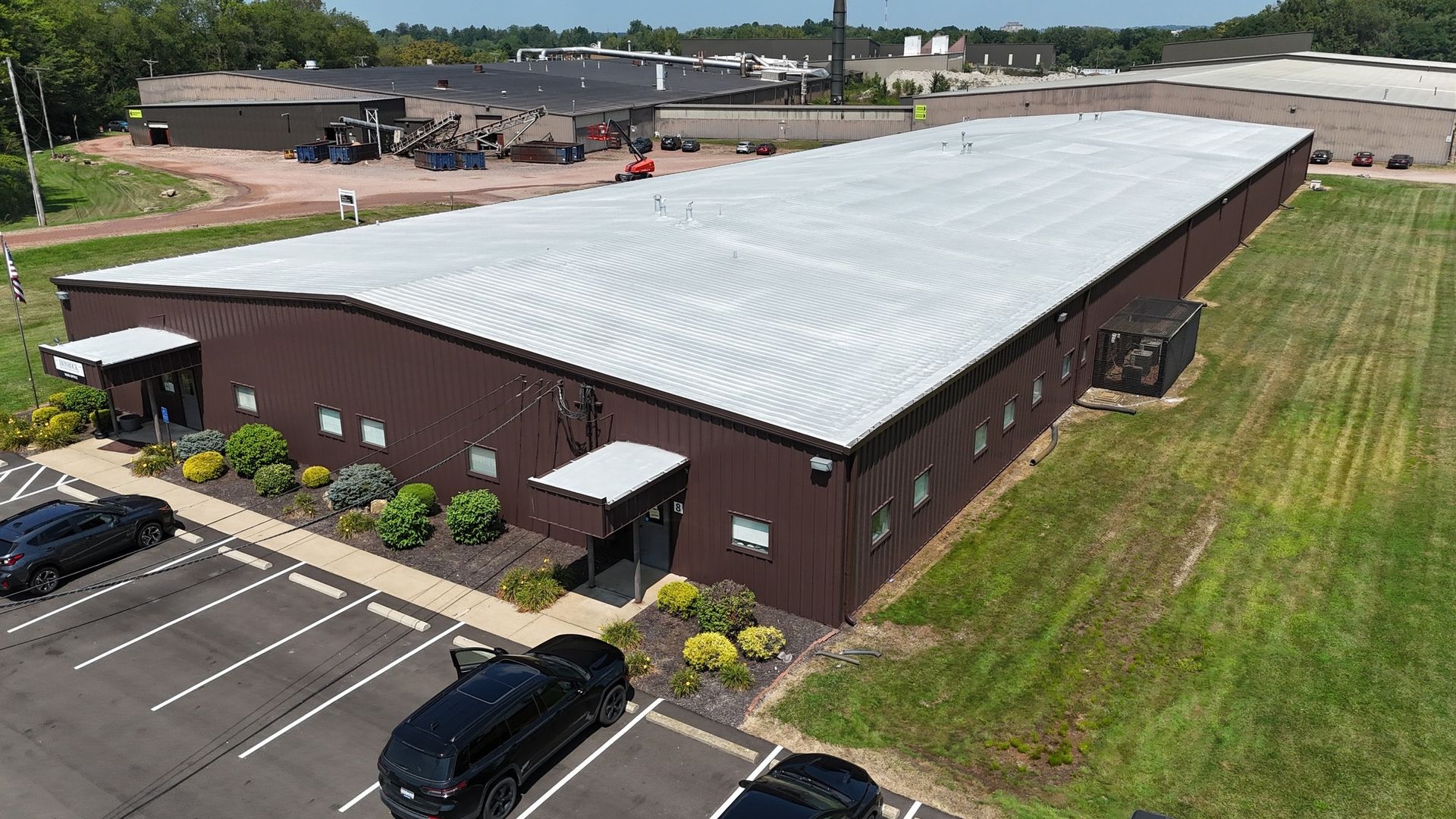

What Proper Wall Coating Systems Require
Effective wall coating application begins with substrate evaluation, identifying moisture sources, structural cracks, and surface contamination that would prevent proper coating adhesion. Concrete and masonry surfaces require different preparation than metal panels, with porous substrates often needing primers that seal the surface and create uniform absorption characteristics. Existing coatings are tested for compatibility, with failing materials removed to expose stable substrates that support long-term coating performance.
Once coatings cure, exterior walls shed water rather than absorbing it, reducing freeze-thaw damage in masonry and preventing rust formation on metal substrates. The uniform appearance improves building presentation while the seamless coating eliminates the maintenance cycle associated with traditional paint systems that crack and peel. Buildings maintain improved weather resistance for years, avoiding the deterioration patterns that occur when moisture repeatedly penetrates exterior walls during rain events and seasonal temperature swings.
Silicone wall coatings integrate with roof coatings and flashing details to create continuous protection across the entire building envelope. This coordination prevents water migration between wall and roof systems, addressing the common failure point where separate waterproofing systems meet. West Roofing Systems evaluates these transitions during initial assessments, ensuring coating applications extend protection rather than creating new moisture pathways.
What Building Owners Ask About Wall Coatings
Commercial property managers considering coating applications want to understand performance expectations and how these systems compare to traditional exterior restoration approaches.
What exterior surfaces are compatible with silicone wall coatings?
Coatings bond to concrete, masonry, stucco, EIFS, metal panels, and previously painted surfaces once proper preparation removes contaminants and unstable materials. Surface porosity and existing moisture levels determine primer requirements and application methods.
How do silicone coatings prevent moisture intrusion through exterior walls?
The seamless membrane blocks water penetration while remaining vapor-permeable, allowing trapped moisture to escape without creating blistering or delamination. This breathability prevents moisture accumulation within wall assemblies that would cause hidden deterioration.
Why are silicone coatings positioned as alternatives to major exterior restoration?
Coating systems restore waterproofing and appearance at substantially lower cost than removing and replacing exterior cladding, completing work faster with less disruption to building occupants. Buildings gain extended service life without the structural modifications often required during full facade replacement.
What surface preparation does coating application require?
Preparation includes pressure washing to remove dirt and biological growth, repairing cracks and spalls, removing failing coatings, and applying primers where substrate conditions require improved adhesion. Metal surfaces require rust removal and corrosion treatment before coating application.
How do wall coatings integrate with existing roofing systems in LaGrange?
Coating applications extend onto parapet walls and roof edges, overlapping with roof membranes and flashings to create continuous waterproofing across wall-to-roof transitions. This integration eliminates the vulnerable seams where separate systems traditionally meet and allow water migration.
West Roofing Systems evaluates building envelope conditions to determine where silicone wall coatings provide effective protection and where substrate repairs must precede coating application. Arrange an exterior wall assessment to review coating options for your commercial property.