
Spray Foam Roofing
A continuous, monolithic membrane that adheres directly to the surface it is applied to, creating a seamless, watertight barrier.
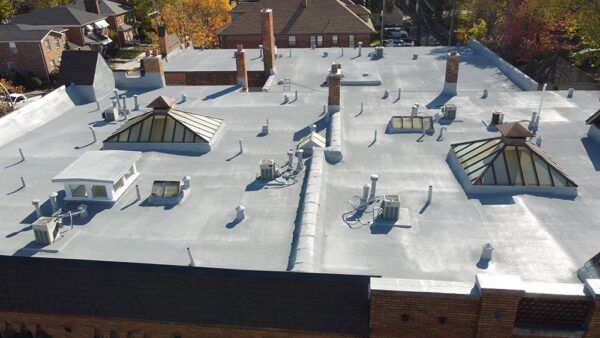
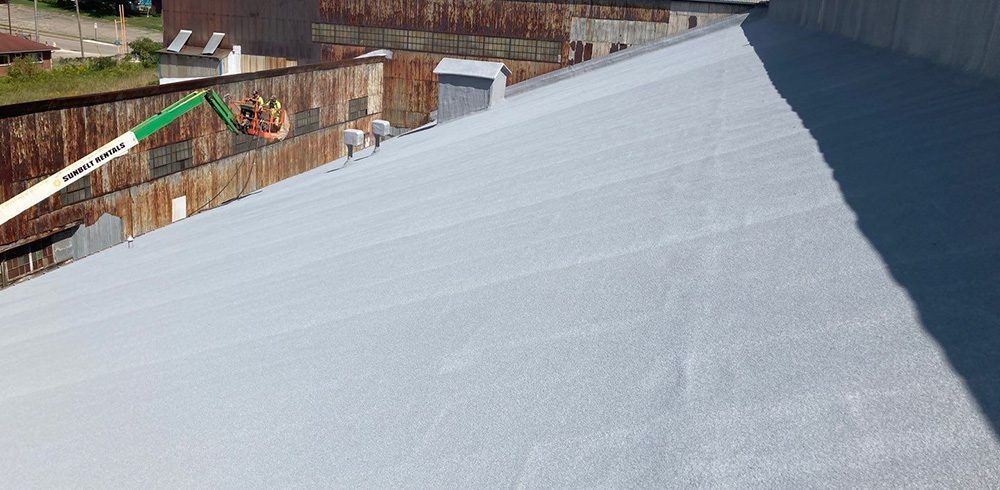
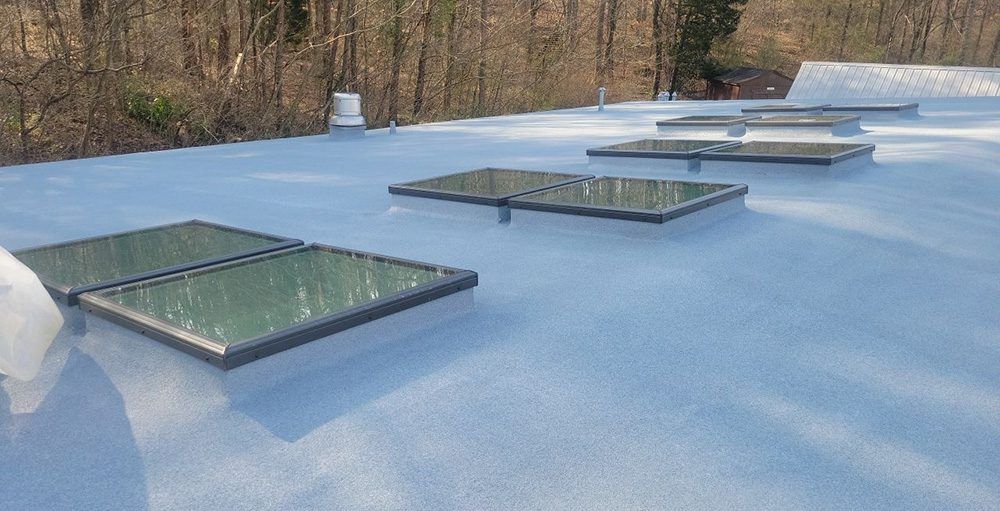
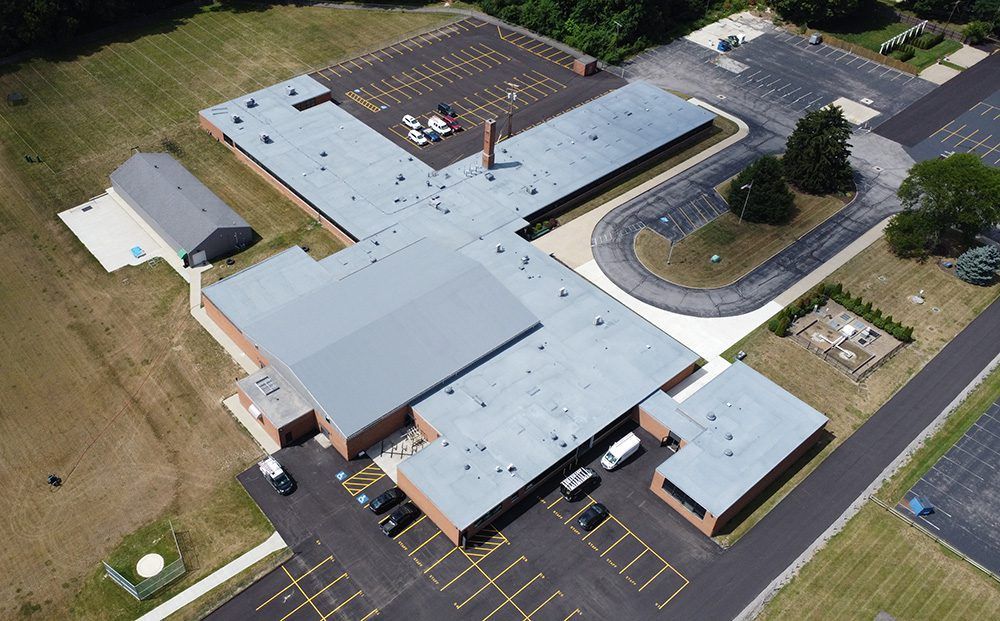
Spray Foam Roofing Cost
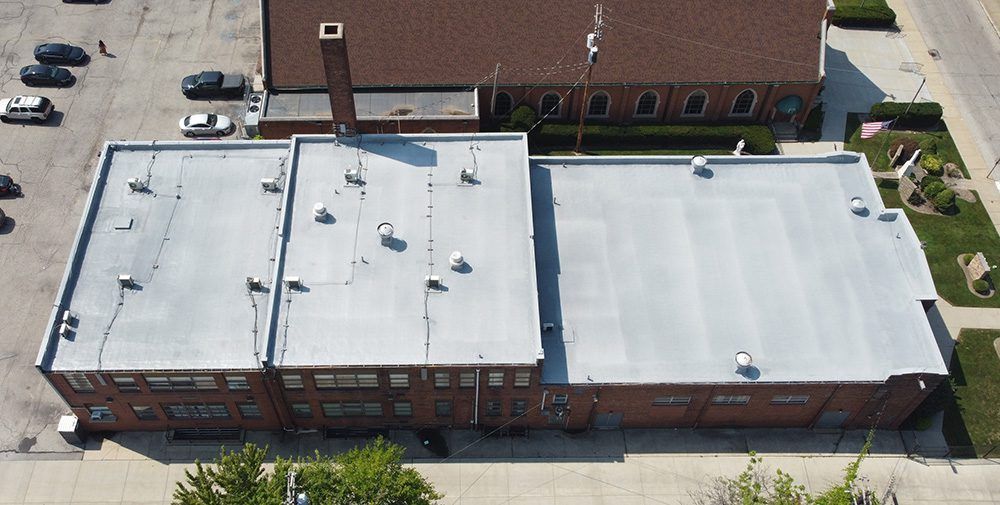
For an average 20,000 sq. foot commercial roof, it will usually cost between $5 and $10 per square foot in materials and labor to install a typical spray foam roofing system. This price range is for a spray foam roof of average thickness and building structure.
Increased material costs, gas prices, and many other variables can push the cost of an installation past the $5-$10 threshold.
Here are common variables that affect pricing:
- The present amount of wet insulation
- Size of your roof
- The thickness of SPF (R-value desired)
- The current cost of materials
- How much of a slope your roof is on
- Access to your roof
- Length of warranty
Spray Polyurethane Foam For Commercial Flat Roofs
Spray Polyurethane Foam (SPF) is an eco-friendly roofing option for commercial, industrial and manufacturing facilities. While SPF roofing is not the most known type of roofing material, the technology has been around since the early 1960s for industrial, commercial, and residential facilities. An SPF roofing system can be used in any climate, and when properly installed and maintained, can last over 50 years.
Here at West Roofing Systems, we’ve been installing Spray Polyurethane Foam Roofs out of Cleveland, Ohio for over 40 years. Our turnkey solutions deliver energy savings, reduced maintenance, and sustainability – not to mention a durable, long lasting, quality roof.
West Roofing Systems’ experienced project managers and applicators bring decades of experience to each job, ensuring the best solution at the best price.
Our West Roofing Systems team out of Cleveland, Ohio talks about the Spray Polyurethane Foam Roofing installation.
Spray Polyurethane Foam Benefits
A spray polyurethane foam roof system decreases energy expenses, contributes to LEED and Energy Star certification, provides a heat, moisture and air barrier is easy to maintain and can last for years by renewing the roof’s protective coating. Building owners realize significant reductions in energy expenses for heating and cooling, as well as reduced maintenance costs.
The benefits of installing a spray polyurethane foam (SPF) roofing system, rather than another roof type, are numerous in terms of installation, performance, cost, and longevity.
Minimize Tear-off
One of the best ways to save money is to avoid the complete tear-off. In many cases, spray foam can be installed over an existing roof, saving the building owner money.
Energy Efficient
Spray foam has an R-value of 6.5 per inch of thickness. This is the best R-value per inch of any roofing insulation out there.
Durability
The durability of SPF surpasses traditional roofing systems. The foam material can expand and contract with the building in accordance with outside temperatures, decreasing the likelihood of cracks and splitting.
Seamless and Waterproof
Since the SPF mixture is applied as a liquid, it can fill gaps, seams, and cracks in the existing roof and substrate. The continuous solid surface does not require joints or seams, removing the most vulnerable area for leaking.
Environmentally Friendly
There are a variety of eco-friendly roofing products, which feature zero ozone depletion potential (ODP), ultra-low global warming potential (GWP) and solvent-free silicone coatings.
Spray Polyurethane Foam Installation
Before the installation can start, the existing roof (or substrate) needs to be prepared. Rather than stripping the existing roof, the contractor will most likely prepare the substrate by getting rid of all dirt, dust, and contaminants. This can be done with air pressure, vacuuming, or even just sweeping.
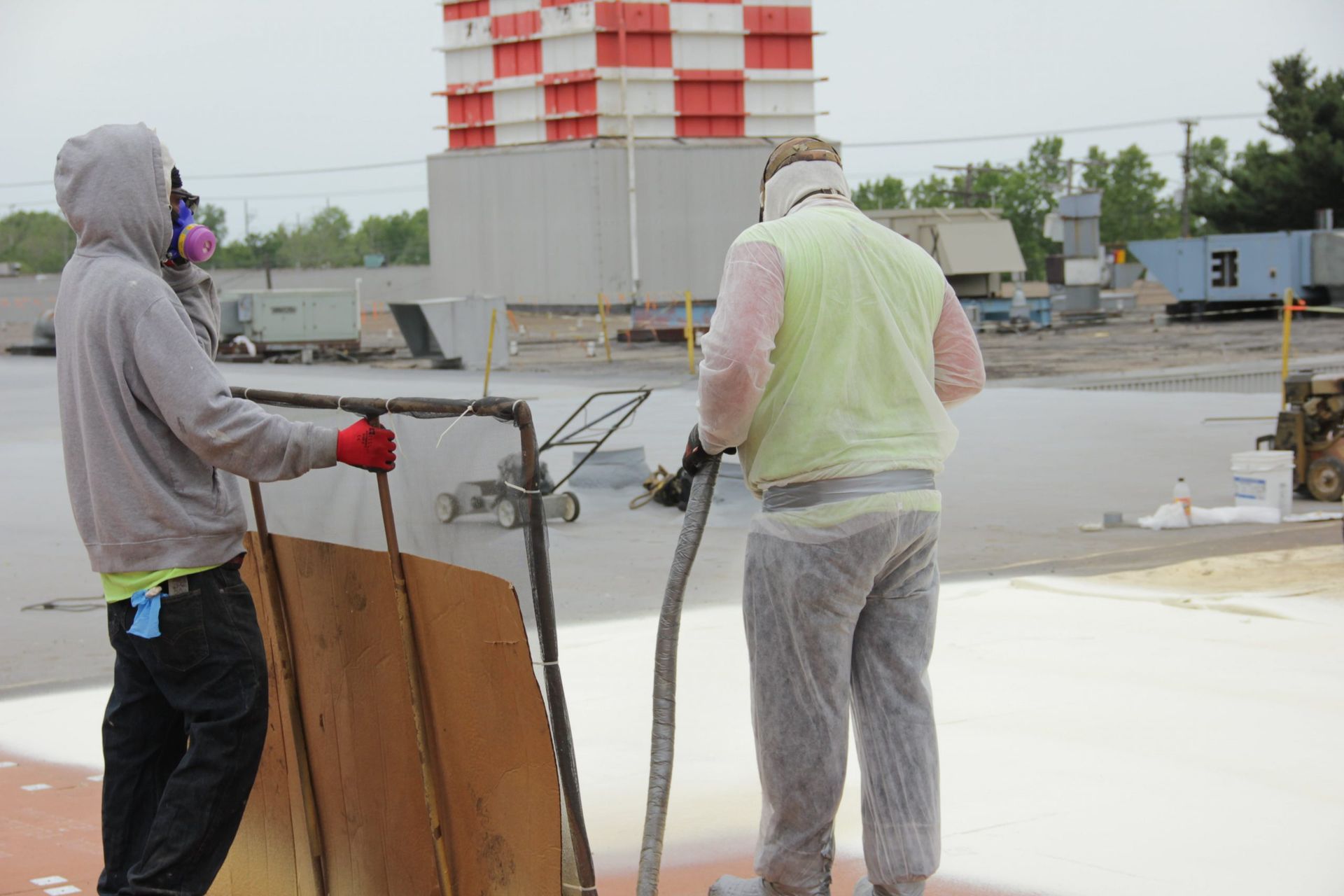
The first layer put down by the contractor is the polyurethane foam. This foam is created by combining two liquids (a polyol/resin and an isocyanate) as it’s sprayed onto the existing roof substrate.
As the liquid is sprayed onto the existing roof, it creates a foam that expands 20 times in size to form a solid, seamless foam surface. When the foam has expanded, this layer can be between 1 and 1.5 inches in thickness. Since the polyurethane foam adheres to most common surfaces, it can be installed on any roof slope.
Want To Learn More About Spray Foam Roofing
How much does it cost? What problems do they have? What are the benefits versus other roofing systems?
Seamless Protection for Commercial Buildings
Spray Foam Roofing in Lagrange for flat and low-slope roofs that repeatedly leak at seams and transitions
West Roofing Systems, Inc. installs spray polyurethane foam roofing across commercial properties in Lagrange and the surrounding region, creating a monolithic barrier that eliminates the seams and fastener penetrations where traditional systems fail. This fully adhered application expands on contact to form a continuous layer that conforms to roof contours, equipment penetrations, and irregular surfaces without leaving vulnerable joints. Property managers dealing with recurring leaks from membrane separations or flashing failures see a system that bonds directly to the existing substrate and self-seals around every protrusion.
The spray application process builds insulation and waterproofing in a single pass, with closed-cell foam that provides an R-value of approximately 6.5 per inch while forming an impermeable moisture barrier. This dual function reduces thermal bridging through the roof deck and lowers heating and cooling demands year-round, particularly in facilities with temperature-controlled interiors. Because the foam cures lightweight at roughly half a pound per square foot per inch, it avoids adding structural load, which allows installation over most existing roof systems without requiring costly tear-off or reinforcement.
Request an on-site inspection to evaluate substrate condition and determine foam thickness requirements for your facility.

How Spray Foam Extends Roof Lifespan
The installation begins with surface preparation to remove contaminants and ensure proper adhesion, followed by spray application in multiple passes to reach the specified thickness and insulation value. A protective topcoat, typically elastomeric or silicone-based, is applied over the cured foam to shield it from UV degradation and provide additional weatherproofing. This topcoat can be reapplied periodically to maintain performance, effectively renewing the roof surface without replacing the underlying foam.
After installation, you notice that interior temperatures stabilize with less HVAC cycling, and ponding water that previously sat in low spots now drains or evaporates without infiltrating the building. The seamless surface means no more water tracking along membrane laps or through fastener holes, and the foam's rigidity prevents wind uplift at edges and perimeters. Facilities with high energy costs or frequent leak calls see measurable reductions in both utility bills and emergency repair expenses within the first year.
Spray foam works across warehouses, manufacturing plants, distribution centers, and retail buildings, with installations ranging from small section repairs to nationwide retrofit projects exceeding hundreds of thousands of square feet. The system performs equally well over metal decks, concrete, and existing built-up or single-ply membranes, provided the substrate is structurally sound and properly prepared. West Roofing Systems, Inc. evaluates drainage patterns and insulation needs during the assessment phase to determine optimal foam depth and coating selection for long-term performance.
What Facility Managers Ask About Foam Roofing
Commercial properties in LaGrange experience freeze-thaw cycles and summer heat that accelerate roof deterioration, making system selection critical for avoiding repeated failures.
What happens to the existing roof during installation?
In most cases, the spray foam is applied directly over the current roof surface after cleaning and priming, eliminating the cost and waste of tearing off old materials and allowing the building to remain operational throughout the process.
How does foam handle ponding water that sits for days after storms?
Closed-cell spray foam does not absorb water, so areas with poor drainage that would destroy other systems remain protected, though improving drainage through tapered foam or scupper installation extends coating life and reduces maintenance.
What determines the thickness of foam needed for a specific building?
Insulation requirements based on building use and energy goals dictate base thickness, while structural capacity and existing roof condition influence whether additional layers can be applied, with most commercial applications ranging from one to three inches.
How long does the foam itself last before requiring replacement?
The polyurethane foam core remains stable for decades when protected by a maintained topcoat, with recoating every ten to fifteen years preserving the system indefinitely and avoiding the need for complete removal.
What types of facilities benefit most from spray foam installation?
Buildings with complex roof geometries, numerous penetrations, high energy costs, or a history of leak-related downtime see the greatest return, particularly when the existing structure cannot support the additional weight of a conventional replacement system.
West Roofing Systems, Inc. provides detailed assessments that identify substrate issues, calculate foam and coating requirements, and project energy savings based on your facility's current insulation and usage patterns. Schedule a roof evaluation to receive a customized proposal with material specifications and installation timeline.