
3 Repair Options for a Leaking Rubber Roof
Quick Answer – spot repairs, installing a roof coating system, and installing a spray foam roofing system are three options for repairing or restoring an existing rubber EPDM roof.
Option #1 – Spot Repairs
If the leaks are isolated to specific areas — failed seams, punctures, or flashing issues — spot repairs may be a viable short-term solution.
A contractor applies EPDM patches or sealant to the problem areas.
This is the least expensive option upfront but doesn't address underlying wear across the entire membrane.
Option #2 – Install Roof Coating System over Rubber Roof
Roof coating systems are very popular nowadays.
The reason?
If the roof qualifies, you can install the system without a complete tear-off and get a new 10-20-year warranty.
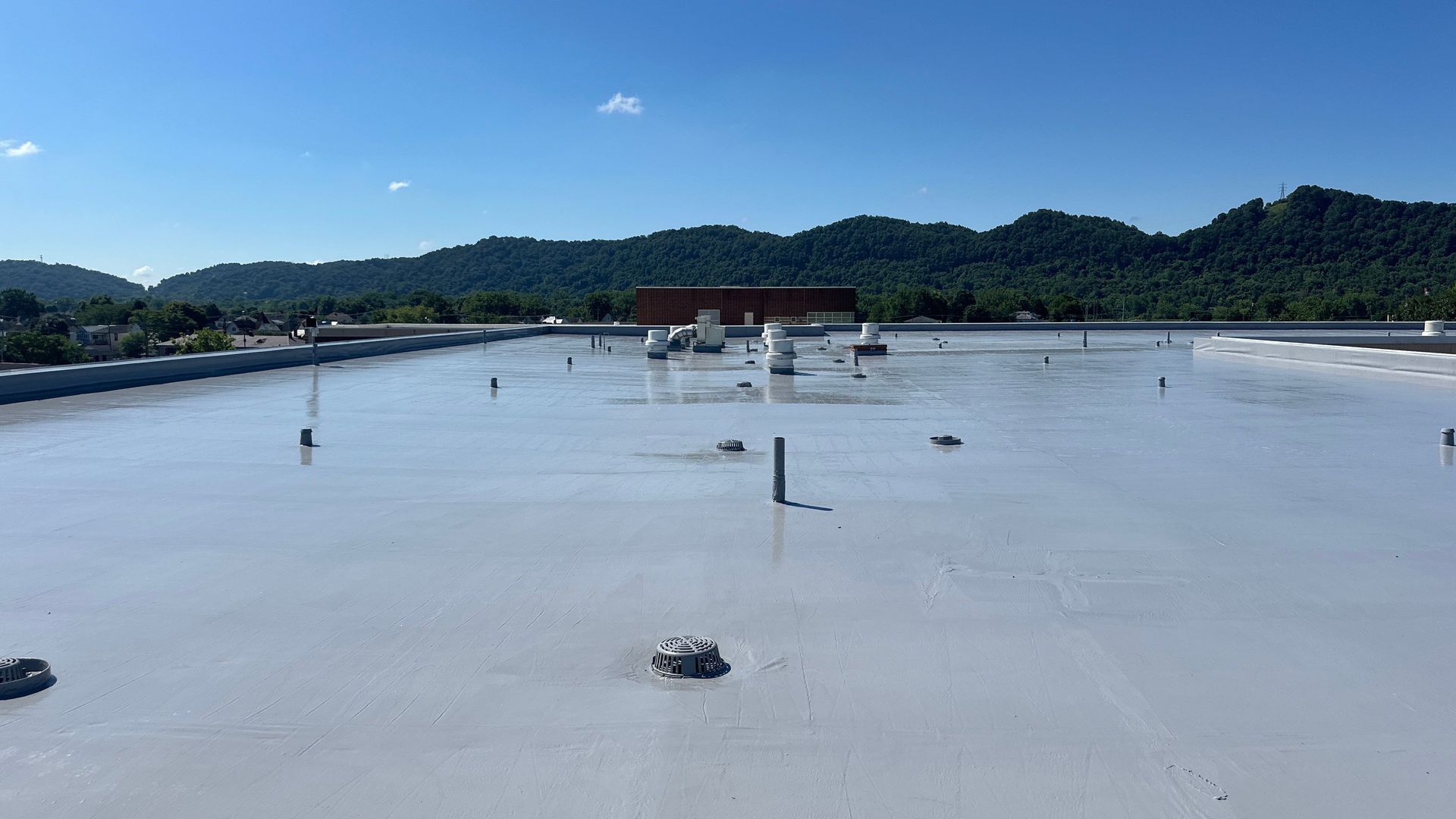
Here are some popular questions that get brought up when talking about roof coating over rubber roofs:
How much do they cost per square foot?
The ballpark is $3.50-$7 per square foot. Many factors influence price.
The most popular is the amount of membrane/insulation that needs to be removed and replaced before the coating system can be installed. Sometimes it’s 1%, sometimes it’s 20%.
Another factor is the desired warranty length.
A 10-year warranty gets 20 dry mils of coating installed. A 20-year warranty gets 30 dry mils of coating installed. That’s 50% more coating on the 20 vs the 10.
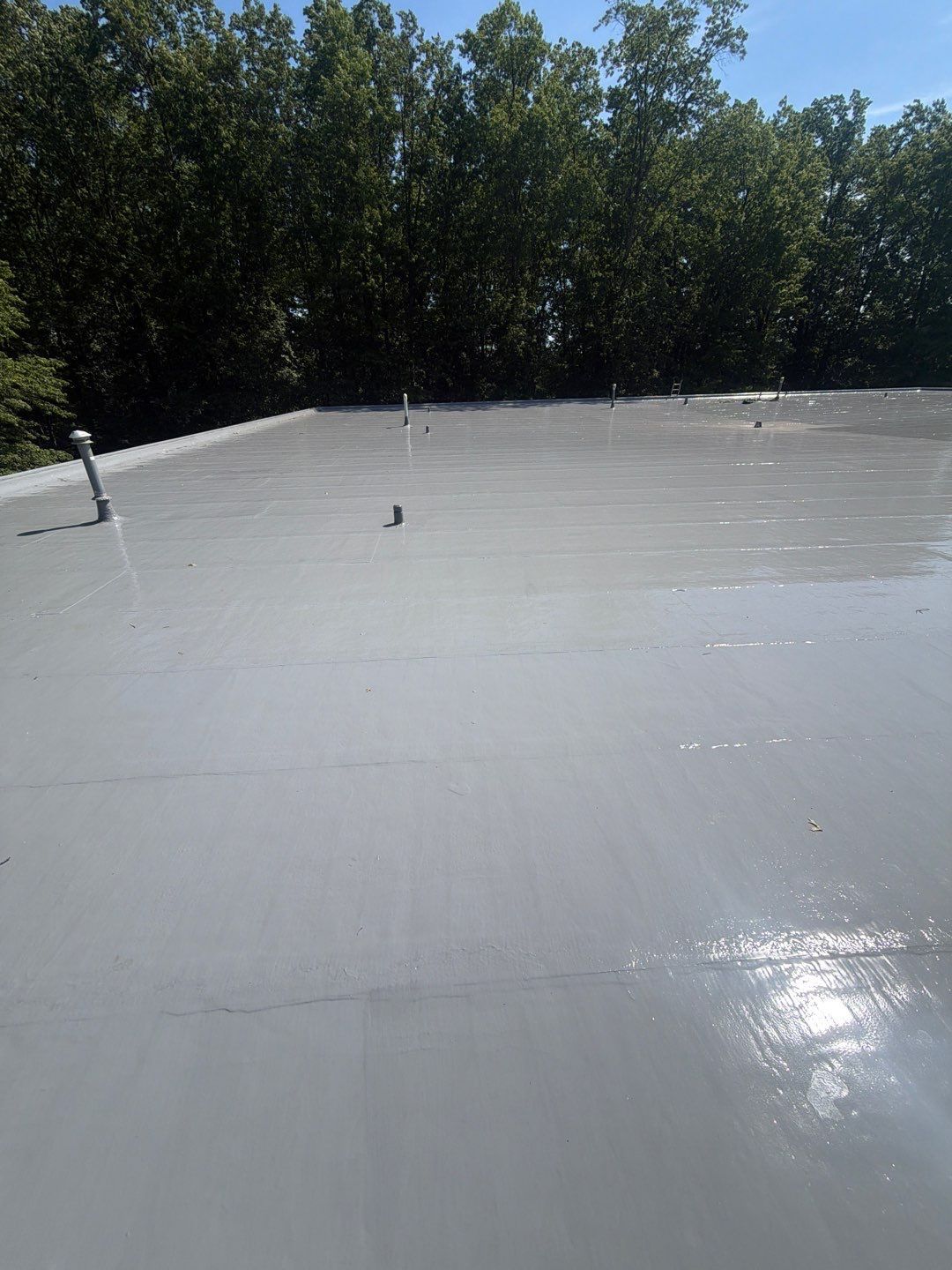
How do I know if my rubber roof qualifies for a roof coating install?
There are three factors:
1) The amount of wet insulation/damaged membrane
2) Seam adhesion
3) How has the roof been maintained?
Every contractor and coating manufacturer is different, but if more than 25% of the roof’s insulation is wet, it will not qualify for a roof coating system. The roof will need to be torn off and replaced.
For seam adhesion, if the seams are loose or have little adhesion, it will not qualify.
Coatings are liquids that rely on the existing roof to stay put.
Seam reinforcement is part of the silicone roof coating system, but it needs a good foundation for that to make sense.
For roof maintenance, if the roof has been neglected for years, it most likely will not qualify.
This goes hand in hand with the other two requirements.
If small repairs were noticed, then they would be repaired, and there would be little wet insulation.
If left alone for years, small repairs turn into big ones and usually push the roof past the 25% mark.
Acrylic, Silicone, Urethane…does the type of coating matter?
Yes. Greatly.
Urethanes are expensive and rarely get used.
Silicone is the best bang for the buck. Great for all weather, especially in colder climates because it handles ponding water (or snow loads) better than acrylic.
Acrylic is the cheapest, but it needs a thicker application because much of the product evaporates.
Sometimes as much as twice the amount of acrylic is needed to apply the same thickness as one pass of silicone.
Acrylics don’t perform well with ponding water. They are best used in warmer climates and sloped roofs.
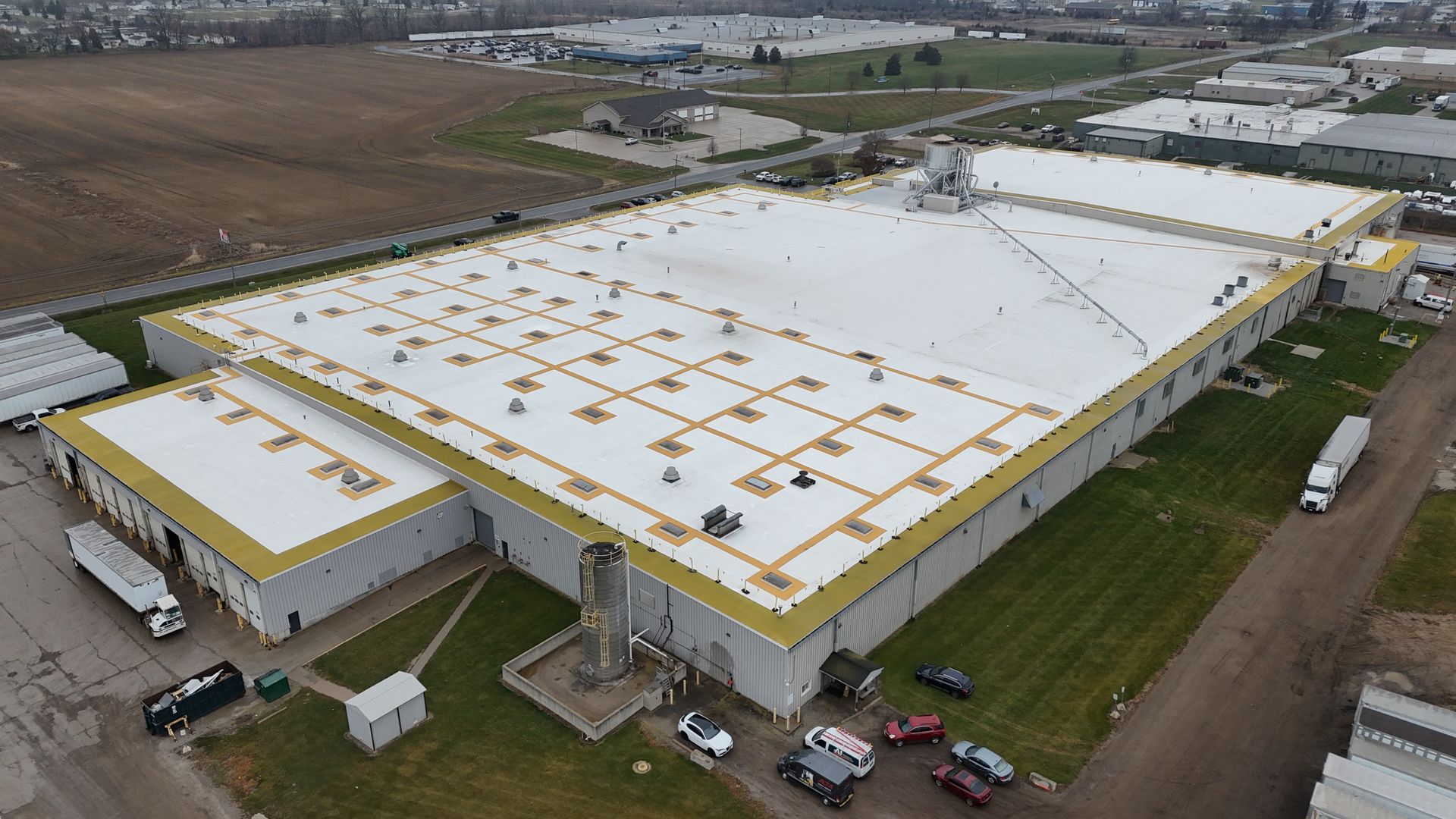
Option #3 – Install Spray Foam Roofing over Rubber Roof
If the roof qualifies for a coating system, but you’re looking for more insulation, then the spray foam roofing system is a great option.
Spray foam has an R-value of 6.5 per inch, which is higher than any other roofing insulation.
Facilities that use a lot of air conditioning (or heat) or need extensive climate control would greatly benefit from the spray foam roofing system.
Here are some popular questions that get brought up when talking about spray foam roofing systems over rubber roofs:
How much do spray foam roofs cost per square foot?
The cost is $5 - $10 per square foot. Some variables that influence cost is the desired R-value increase. More foam = more material = higher cost.
Other than that, it’s the same factors as the coating system (how much tear-off/replacement and desired warranty length).
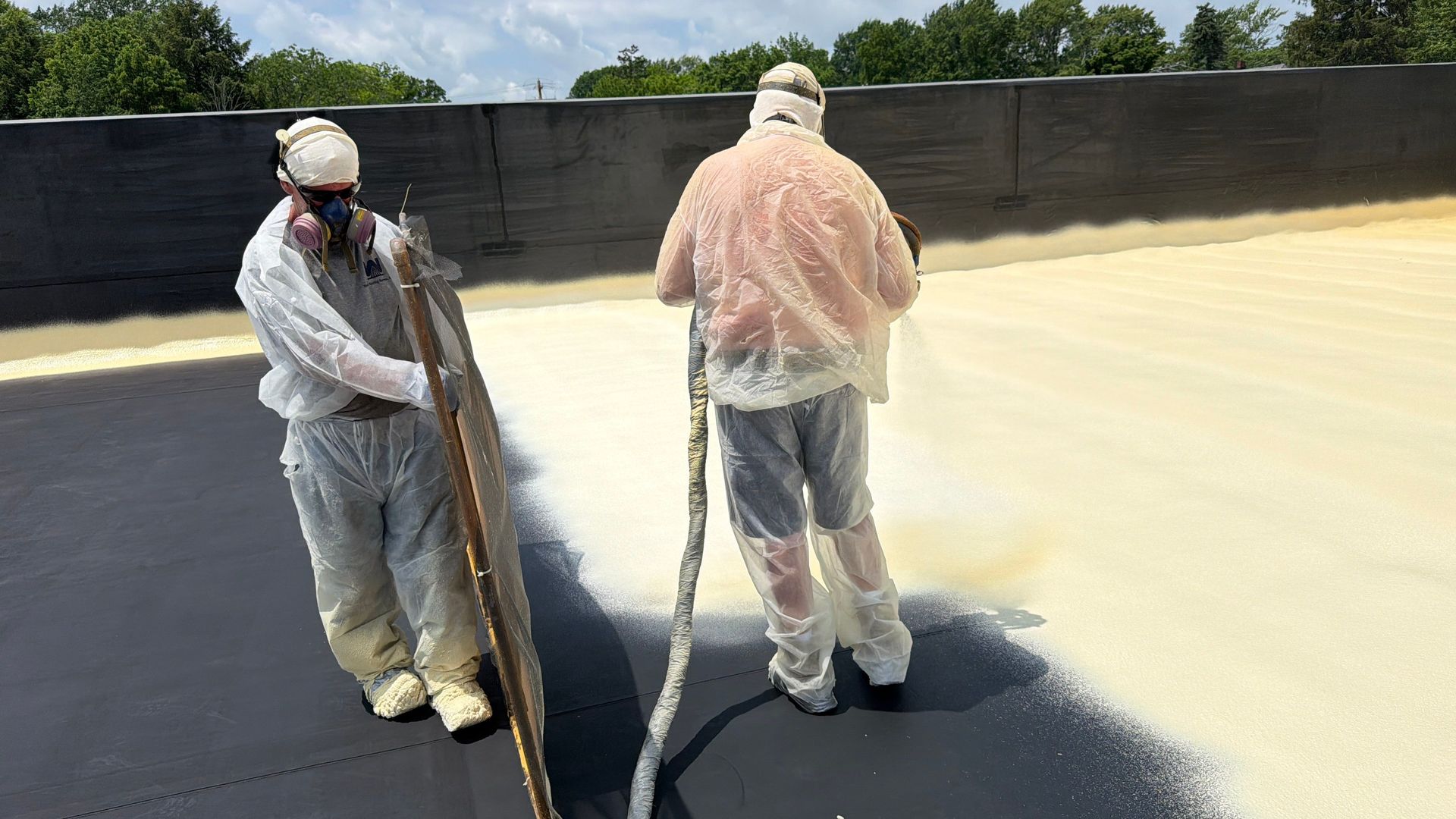
What does the spray foam system look like? How is it installed?
This would be better explained through video; take a look:
Spray foam is applied as a liquid that expands into foam when it hits the rubber.
It expands 1-2 inches.
It’s then protected by installing two coats of an elastomeric coating (usually silicone) over top.
Embedded granules in the topcoat of the coating are usually installed for stability and added protection.