
What Happens if the Foam Is Exposed on a Spray Foam Roof?
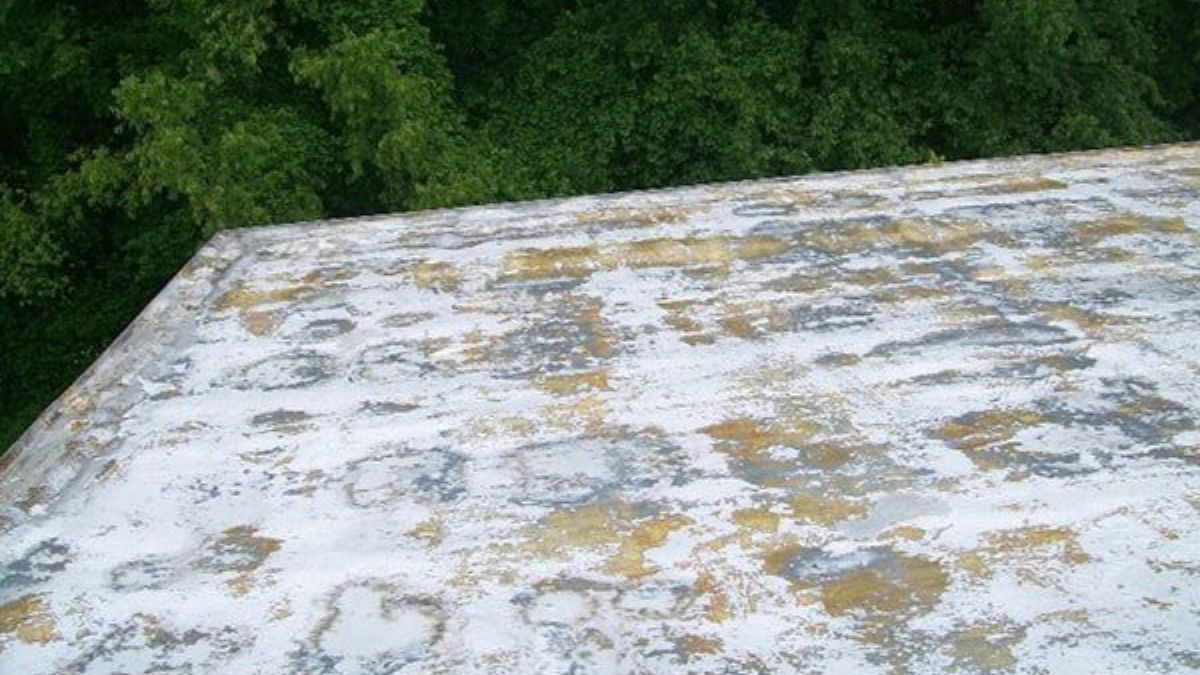
Quick Answer: Then you may have a serious problem. In most cases, it's because the foam was not recoated in time. Exposed foam will degrade within 72 hours from UV exposure.
Why Is Exposed Foam a Problem?
Spray polyurethane foam (SPF) must always be protected by a topcoat. Without it, UV rays break down the foam rapidly — within as little as 72 hours of exposure. Once degradation begins, the foam loses its waterproofing and structural integrity.
How Does Foam Become Exposed?
The most common reason is that the roof wasn't recoated within the warranty period. Every spray foam roof comes with a maintenance requirement: recoat every 10–20 years. If that window is missed, the topcoat can wear away and leave foam unprotected.
What Should You Do?
Act quickly. The longer foam is exposed, the more damage occurs. Contact a qualified spray foam roofing contractor for an inspection. They will assess the extent of degradation and determine whether a recoat is still viable or if sections need to be replaced.
Can It Be Fixed?
If caught early, yes. Minor exposure can often be cleaned, primed, and recoated. Severe degradation may require removing and replacing the affected foam before a new topcoat is applied.
Prevention Is Key
The best way to avoid exposed foam is to follow the recoat schedule outlined in your warranty. Regular inspections — at least once or twice per year — help catch coating wear before it becomes a serious problem.